



Finding the Right Used Tractors for Orchards and Vineyards in Niagara
Narrow Profiles, Maximum Yield: Master the Secondary Market to Secure Your Premium Vineyard Workhorse
Specialty agriculture in the Niagara Peninsula demands precision, specialized geometry, and specialized fluid metrics that standard row-crop equipment simply cannot accommodate. This guide operates on the premise that sourcing premium used tractors for vineyards and orchards is a highly tactical optimization exercise. By carefully evaluating physical width profiles, hydraulic capacities, ground-clearance balances, and historical maintenance logs, growers can secure elite, narrow-track machinery at a significantly lower capital entry point—preserving essential cash flow while fully meeting the tight row tolerances and high-draw demands of modern fruit production.
Introduction
The Niagara region stands as an agricultural powerhouse, globally renowned for its unique microclimate, high-density fruit orchards, and world-class commercial vineyards. Operating an agribusiness in this unique zone requires a meticulous understanding of both soil profiles and machine dimensions. Unlike vast cash-crop operations where massive wheel tracks are the standard, specialty growers operate in an environment constrained by narrow vine rows, low-hanging fruit canopies, and fragile trellises. In these environments, matching the exact dimensional layout of your tractor to the structural framework of your field is a fundamental prerequisite for operational success.
Given the intense capital pressures of modern viticulture and fruit farming, investing in a fleet of brand-new, highly specialized narrow machinery isn’t always the most efficient choice for a growing operation’s balance sheet. The secondary marketplace for used tractors provides a lucrative alternative, letting savvy growers capture premium Italian-engineered and specialized domestic platforms for a fraction of their original retail price. However, navigating the pre-owned market for specialty tractors requires a sharp eye. This comprehensive guide explores ten critical factors that Niagara orchard and vineyard operators must analyze to ensure their next pre-owned machinery purchase yields long-term reliability.
1. Navigating Ultra-Narrow Chassis Dimensions and Row Widths
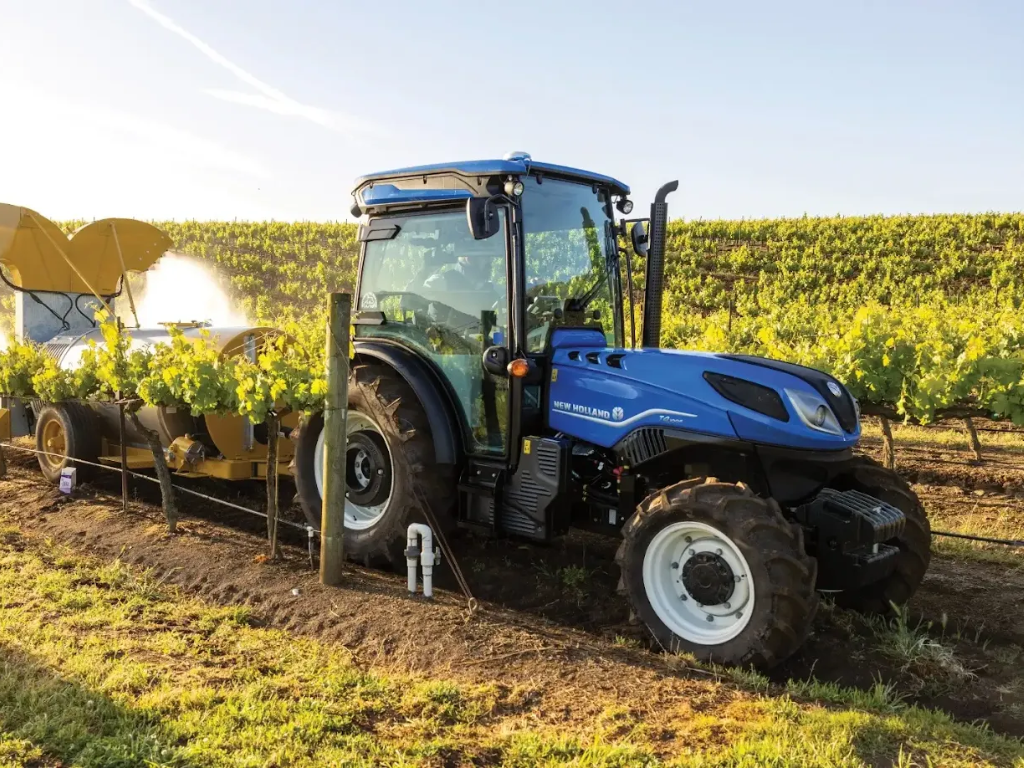
The absolute defining characteristic of an orchard or vineyard tractor is its physical width profile, a structural reality that dictates whether a machine can physically navigate your vineyard layout. Standard utility models feature wide axle configurations that will instantly crush vine root zones, snap expensive trellis wires, and scrape valuable fruit bark. When shopping for used tractors for Niagara operations, growers must seek out designated “Narrow” (N) or “Vineyard” (V) variants designed with highly compact transaxles and deeply tucked wheel tracks.
- Standard vineyard configurations require a tractor width ranging precisely between 48 to 60 inches to allow safe, centered tracking between tight 8-to-10-foot row spacings.
- Buying an authentic narrow-track pre-owned model prevents the catastrophic structural canopy damage and fruit scraping associated with running standard wide-axle utility frames.
- Specialty pre-owned models feature tightly integrated components, ensuring fuel tanks, exhaust stacks, and steps are entirely flush with the main sheet metal framework.
2. Assessing Independent PTO and Low-Speed Ground Control
Viticulture applications rely heavily on continuous, high-rpm power delivery combined with exceptionally slow ground travel speeds during high-density spraying and mechanical pruning. When evaluating used tractors, growers must confirm the presence of a fully independent Power Take-Off (PTO) system and a transmission configuration that supports precision low-speed operations. This combination ensures that heavy-duty air-blast sprayers maintain a consistent, high-pressure output to fog canopies effectively, even when the tractor slows to a crawl around tight row ends.
- A robust independent 540-RPM rear PTO is essential for running high-draw implements like continuous flail mowers, canopy trimmers, and complex multi-row leaf removers.
- Look for pre-owned models equipped with a specialized “creeper” gear or a refined Hydrostatic/CVT transmission capable of maintaining precise ground speeds below 0.5 MPH.
- Ensure the PTO clutch on the pre-owned machine engages smoothly under load, as jerky engagement points suggest internal clutch pack wear that requires expensive split-chassis maintenance.
3. Evaluating Total Auxiliary Hydraulic Flow and Rear Remotes
Modern fruit and grape management relies heavily on advanced hydraulic attachments that demand immense, continuous fluid power from the tractor’s central pumps. From front-mounted dual-clearing weed packers to sophisticated rear-mounted bin trailers and hydraulic trimmers, your machine’s hydraulic capacity is just as vital as its raw engine horsepower. When searching for used tractors, focus on units that offer twin hydraulic pump setups and multiple factory-installed rear and mid-mount remote valves.
- Specialty vineyard tractors require high-output auxiliary hydraulic flows, ideally exceeding 15 to 18 gallons per minute (GPM), to run continuous hydraulic motors smoothly.
- Having multiple sets of hydraulic remotes (minimum of three rear valves and two mid-mounts) allows for the seamless operation of multi-stage tools without rerouting lines.
- Carefully inspect pre-owned hydraulic couplings for signs of overheating, heavy scarring, or fluid weeping, which can signal pump degradation or internal valve scoring.
4. Balancing Center of Gravity and Machine Stability on Niagara Slopes
The unique topography of the Niagara Escarpment features rolling hills, undulating benchlands, and steep slopes that test a machine’s stability limits. Narrow-track tractors are naturally more susceptible to lateral rollovers due to their restricted wheel tracks. Therefore, sourcing used tractors for these terrains requires a strict focus on stability, weight distribution, and the inclusion of proper safety architectures to protect operators during steep side-slope operations.
- Look for pre-owned models engineered with a low center of gravity, often achieved by placing the engine deeper within a heavy, cast-iron chassis frame.
- Ensure the pre-owned unit includes certified, fully functional Rollover Protective Structures (ROPS) or an insulated, reinforced structural cab environment.
- Consider adding specialized liquid ballast to the rear tires or utilizing heavy cast-iron wheel weights to improve lateral stability on steep slopes.
5. Prioritizing Sealed Cabs with Advanced Chemical Filtration
Spraying crop protection products is a continuous, highly critical requirement for maintaining fruit quality across Niagara orchards and vineyards. For open-platform tractors, this chore requires operators to wear cumbersome personal protective equipment for hours on end. Premium used tractors equipped with factory-sealed cabs offer a healthier, more comfortable alternative, provided the internal climate control and cabin air filtration systems are fully verified.
- Look for pre-owned cabs that meet Level 4 filtration standards, utilizing pressurized, charcoal-activated carbon filters to safely scrub chemical mists from incoming air.
- Verify the absolute integrity of all rubber door seals, window gaskets, and floor boots on the pre-owned tractor to ensure no external air leaks bypass the filters.
- A fully operational air conditioning and heating system is crucial for preventing window fogging and reducing operator fatigue during hot, humid summer spray schedules.
6. Steering Articulation and Tight Turn Radiuses at Row Ends
The turning headlands at the ends of vineyard and orchard rows are often tightly constrained by property lines, access roads, or drainage ditches. A tractor that requires a wide, clumsy multi-point turn to enter the next row destroys operational efficiency and risks backing implements straight into expensive trellis anchoring systems. Premium pre-owned narrow models incorporate advanced steering geometry or front-axle designs engineered specifically to conquer these tight parameters.
- Look for specialized pre-owned systems like New Holland’s SuperSteer™ front axle, which significantly increases the maximum steering angle to allow unassisted turning down the next row.
- Tight-turning models routinely achieve turn radiuses under 9.5 feet without using independent turning brakes, minimizing turf damage and tire scrubbing on soft headlands.
- Inspect the front 4WD universal joints and steering stops on used units to ensure they haven’t been stressed or bent by aggressive over-steering under heavy loader weights.
7. Deciphering Machine Hours and Specialized Maintenance History
Specialty narrow tractors endure a demanding operational lifecycle, often running high-RPM PTO implements for hours on end in dusty environments or humid chemical mists. When looking at used tractors, evaluating the clock hours requires a deeper look than standard cash-crop machinery. A well-documented maintenance log from an authorized dealer is worth its weight in gold, proving the machine has received timely oil changes and critical cooling system flushes.
- 3,000 hours on a specialized narrow tractor that spent its life pulling a high-vibration air-blast sprayer can place more stress on a drivetrain than 5,000 hours of standard utility mowing.
- Request verified service receipts detailing engine valve adjustments, hydraulic oil flushes, and regular replacements of high-wear front axle seals.
- Check for the presence of clean, un-corroded electrical wiring connections around the main engine bay, as chemical spray residues can corrode unprotected wiring harnesses over time.
8. Tire Configurations: Traction vs. Soil Preservation
The tires on a pre-owned specialty tractor must navigate a delicate balance: they need to deliver excellent traction on wet clay or slippery escarpment grass while avoiding leaving ruts in soft soil and compacting delicate vine roots. When browsing used tractors, pay close attention to the installed tire tread patterns, total width, and remaining tread life, as replacing specialized narrow tires can introduce substantial immediate capital expenses.
- Radial tires are generally preferred for vineyard applications because they operate efficiently at lower inflation pressures, creating a broader footprint that minimizes deep compaction.
- Specialized R1 agricultural lugs provide maximum traction on wet slopes, while R4 industrial treads offer enhanced puncture resistance against sharp, woody vine prunings.
- Check the inner sidewalls of the tires for deep cuts or scuffs caused by rubbing against trellis posts or low-lying wire anchors during tight row maneuvers.
9. Confirming Parts Supply Networks and Local Dealership Support
Specialty narrow-track machinery relies heavily on specialized parts networks, and many iconic orchard models are imported from high-end European manufacturers. Buying an orphaned brand or an ultra-rare imported model via a private auction can turn a minor breakdown into a logistical nightmare if a critical part takes weeks to clear customs. Choosing a pre-owned machine backed by a prominent domestic dealer network ensures your operation stays running when it matters most.
- Choose recognized, well-supported brands like New Holland that maintain comprehensive regional parts distribution centers right here in Ontario.
- Buying your pre-owned machine through an authorized dealer ensures you have access to factory-trained technicians who know the unique nuances of narrow-chassis drivetrains.
- Verify that replacement filters, common belts, hydraulic seals, and front-axle components are readily available off the shelf to minimize critical downtime during the peak season.
10. Analyzing Capital Savings against Technological Offsets
The core financial reason to buy a pre-owned narrow tractor is to sidestep the steep initial depreciation curve of new specialty machinery. However, buyers must balance these capital savings against the loss of modern technical efficiencies. Late-model pre-owned tractors often strike the ideal financial sweet spot, offering substantial upfront savings while still providing advanced features like digital fuel injection, electronic hitch management, and integrated GPS guidance systems.
- Buying a quality pre-owned unit can save an operation 30% to 50% compared to the sticker price of a brand-new model, instantly freeing up capital for vineyard expansions or updated processing equipment.
- Look for late-model pre-owned machines that feature plug-and-play compatibility with modern precision rate controllers, allowing for highly accurate, automated chemical tracking.
- Evaluate the pre-owned unit’s fuel consumption metrics; modern Tier 4 engines use fuel far more efficiently than older, pre-emissions models, which helps keep variable seasonal input costs low.
Conclusion
Finding the ultimate used narrow tractor for your Niagara orchard or vineyard is a strategic process that requires balancing physical dimensions with mechanical capability. Because fruit and grape production leaves zero room for error, your equipment must match the structural realities of your rows while providing the high hydraulic and PTO performance required to drive advanced implements. Sidestepping initial asset depreciation by tapping into the pre-owned market is an excellent way to scale your operations efficiently, provided you select a machine with verified service histories and clear brand support.
By prioritizing true narrow-track chassis profiles, confirming high auxiliary hydraulic flows, and insisting on factory-sealed cabs with specialized chemical filtration, you turn your fleet procurement into a reliable profit driver. Partnering with a dedicated regional dealership guarantees that whether you are running intensive spray schedules across the Niagara Bench or mowing rows in Caledonia, your machinery investment is always backed by the parts, service, and professional expertise required to keep your harvests bountiful for seasons to come.
Optimize Your Vineyard Fleet with Oneida New Holland
Ready to upgrade your specialty operations with a dependable, high-performance narrow tractor? Whether you need to source an ultra-narrow pre-owned machine tailored perfectly for tight vineyard rows or want to explore our fully inspected used utility inventory, the expert team at Oneida New Holland is here to support you. We understand the unique needs of Niagara growers and will help you find the ideal equipment setup backed by elite parts and service lines.
Oneida Caledonia
- Address: 634 Fourth Line, Caledonia, ON, N3W2B3
- Call: 905-765-5011
- Website: https://oneidanewholland.com/
Oneida Niagara
- Address: 1410 Fourth Avenue, St. Catharines, ON, L2S 0B8
- Call: (905) 688-5160
- Website: https://oneidanewholland.com/
Frequently Asked Questions (FAQ)
Q1: What is the maximum width a tractor can be to safely work in a standard Niagara vineyard row?
A1: For standard vineyard layouts featuring 8-to-10-foot row spacing, the tractor’s total width should measure between 48 and 60 inches maximum. This narrow footprint leaves adequate clearance on both sides of the machine to prevent scraping delicate grape canopies, fracturing mature wooden trunks, or catching structural trellis wires.
Q2: What does “Level 4 Cabin Filtration” mean on an orchard or vineyard tractor cab?
A2: Level 4 filtration represents the highest standard of built-in cabin safety engineered for agricultural machinery. It signifies that the cab is completely sealed and under positive pressure, utilizing specialized charcoal-activated carbon filters to protect the operator by scrubbing airborne dust, aerosols, and chemical vapors during intensive spraying schedules.
Q3: Why are European-engineered narrow tractors so common in the pre-owned market?
A3: Countries like Italy, France, and Germany have generations of experience managing high-density, hillside vineyards and orchards. Manufacturers like New Holland build their specialized narrow platforms in world-class European facilities, tailoring their chassis configurations, low centers of gravity, and high hydraulic capacities directly to the exacting demands of global viticulture.
Q4: How can I verify if a used narrow tractor’s front axle is still in good condition?
A4: Start by safely raising the front axle off the ground using a loader or a heavy shop jack. Check for excess play by manually shaking the front wheels, inspect the universal joints for scoring or worn bearings, and look closely at the inner hub seals for any weeping hydraulic oil, which can indicate that wire wraps or twine wrapped around the axle have damaged the seals.
Q5: Is it safe to run a high-capacity air-blast sprayer with a 45 HP used narrow tractor?
A5: It depends entirely on the sprayer’s design and pump specifications. While a 45 gross engine horsepower tractor may feature enough traction to pull the sprayer’s physical weight, you must verify the tractor’s actual PTO horsepower rating. High-capacity air-blast fans typically require 35 to 45 dedicated PTO horsepower to run efficiently under full pressure, meaning you should ideally look for a machine rated at 50+ gross engine horsepower to prevent stalling out during heavy uphill climbs.