Frequently Asked Questions (FAQ):
Q1: What are the main benefits of using modern tillage and planting equipment? A1: The main benefits include increased yield potential, improved soil health, reduced input costs (seed, fuel, fertilizer), better resource allocation, enhanced operational efficiency, and reduced environmental impact.
Q2: How does precision planting directly lead to higher yields? A2: Precision planting ensures optimal seed placement (correct depth and spacing) and avoids skips and doubles. This means every plant has the best chance to germinate evenly, access sufficient nutrients, and grow to its full potential, leading to a more uniform and higher-yielding crop.
Q3: What is Variable Rate Technology (VRT) and why is it important for Ontario farms? A3: VRT allows for the automatic adjustment of seeding rates and other inputs based on varying soil conditions across a field. It’s important for Ontario farms because it optimizes resource allocation, reduces waste by not over-applying inputs where they’re not needed, and ensures each part of the field receives the optimal treatment, leading to better overall yields.
Q4: What are the advantages of no-till farming, and what equipment supports it? A4: No-till farming preserves soil structure, increases organic matter, improves water infiltration, and reduces erosion and fuel consumption. Modern no-till drills are specifically designed to effectively plant seeds into undisturbed soil with existing residue, supporting this sustainable practice.
Q5: How do automated downforce control and section control save farmers money? A5: Automated downforce control ensures consistent seed depth across varied conditions, leading to better emergence. Section control automatically shuts off planter sections in areas already planted, eliminating costly seed overlap. Both lead to significant savings on seed and optimize plant stand for better yield.
Q6: What role does GPS and automated steering play in modern planting? A6: GPS-based automated steering ensures precise, repeatable passes, minimizing skips and overlaps, reducing operator fatigue, and optimizing field efficiency. It also facilitates accurate row alignment for subsequent operations like spraying or cultivating.
Q7: How can telematics and remote monitoring benefit my farm equipment? A7: Telematics allows for real-time monitoring of machine performance, location, and diagnostics. This enables proactive maintenance, optimizes fleet management, allows for remote technical support from dealers like Oneida New Holland, and provides valuable data for informed decision-making.
Q8: Is modern planting equipment suitable for all crop types grown in Ontario? A8: Modern planting equipment is highly versatile and designed to handle a wide range of crop types common in Ontario, including corn, soybeans, wheat, and various specialty crops. Different planter configurations and attachments allow for customization to specific seed sizes and planting requirements.
Q9: Where can I find out more about New Holland tillage and planting equipment in Ontario? A9: You can contact Oneida New Holland directly. They offer a full line of New Holland agricultural equipment, including advanced tillage and planting solutions. Their contact information is: 634 Fourth Line, Caledonia, ON, N3W2B3, call 905-765-5011, or visit https://oneidanewholland.com/.
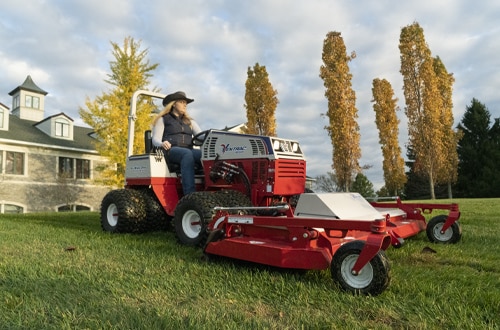
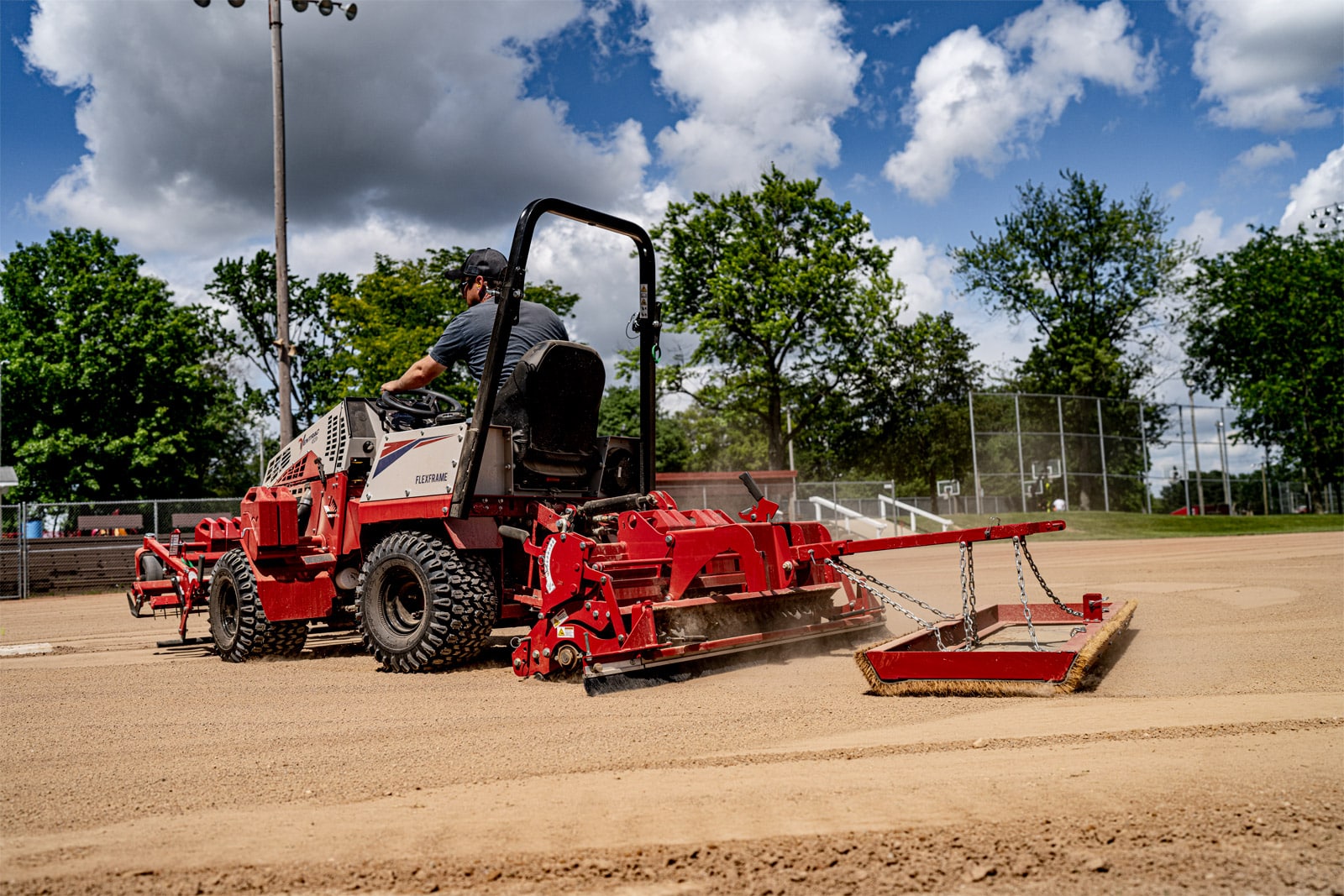
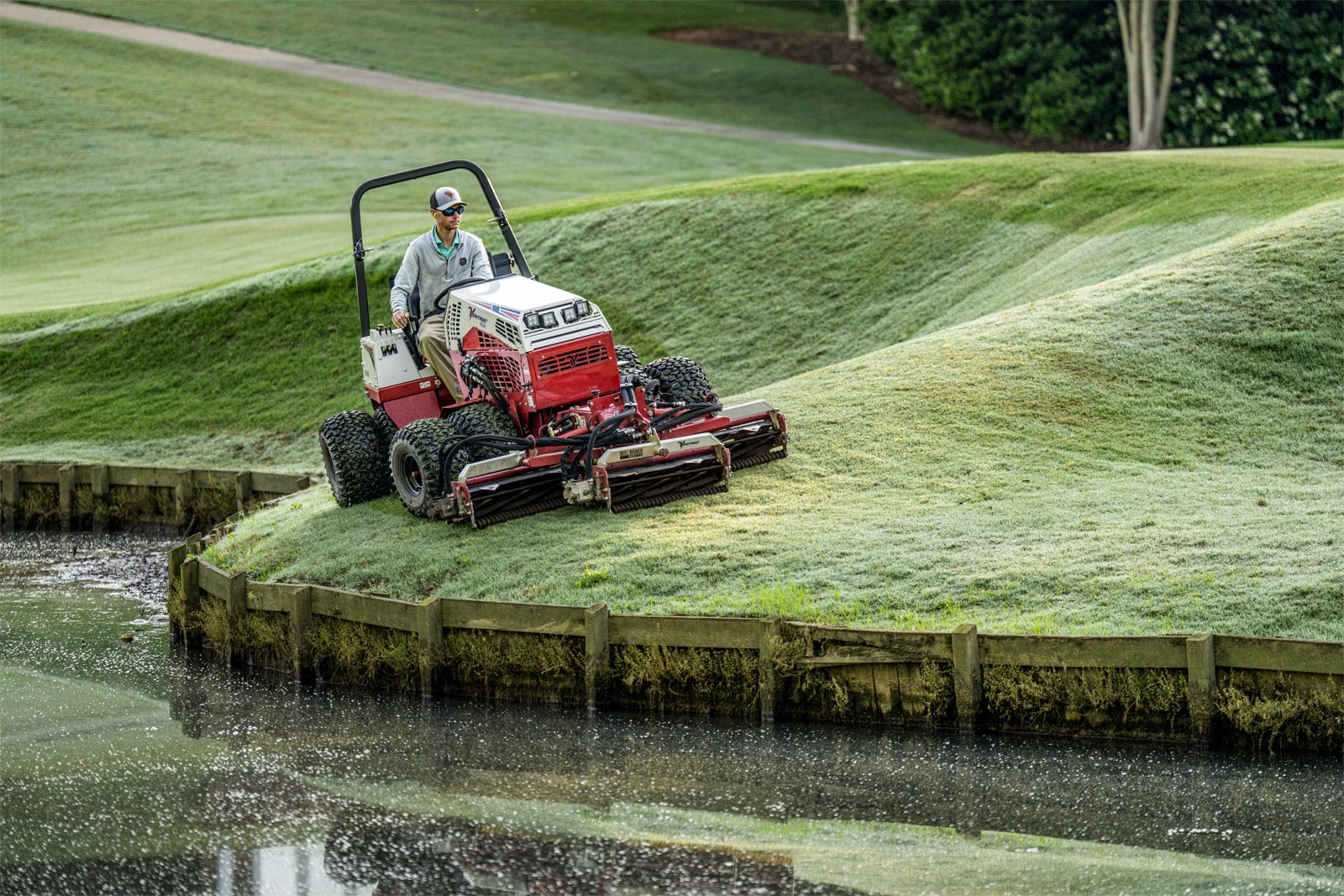
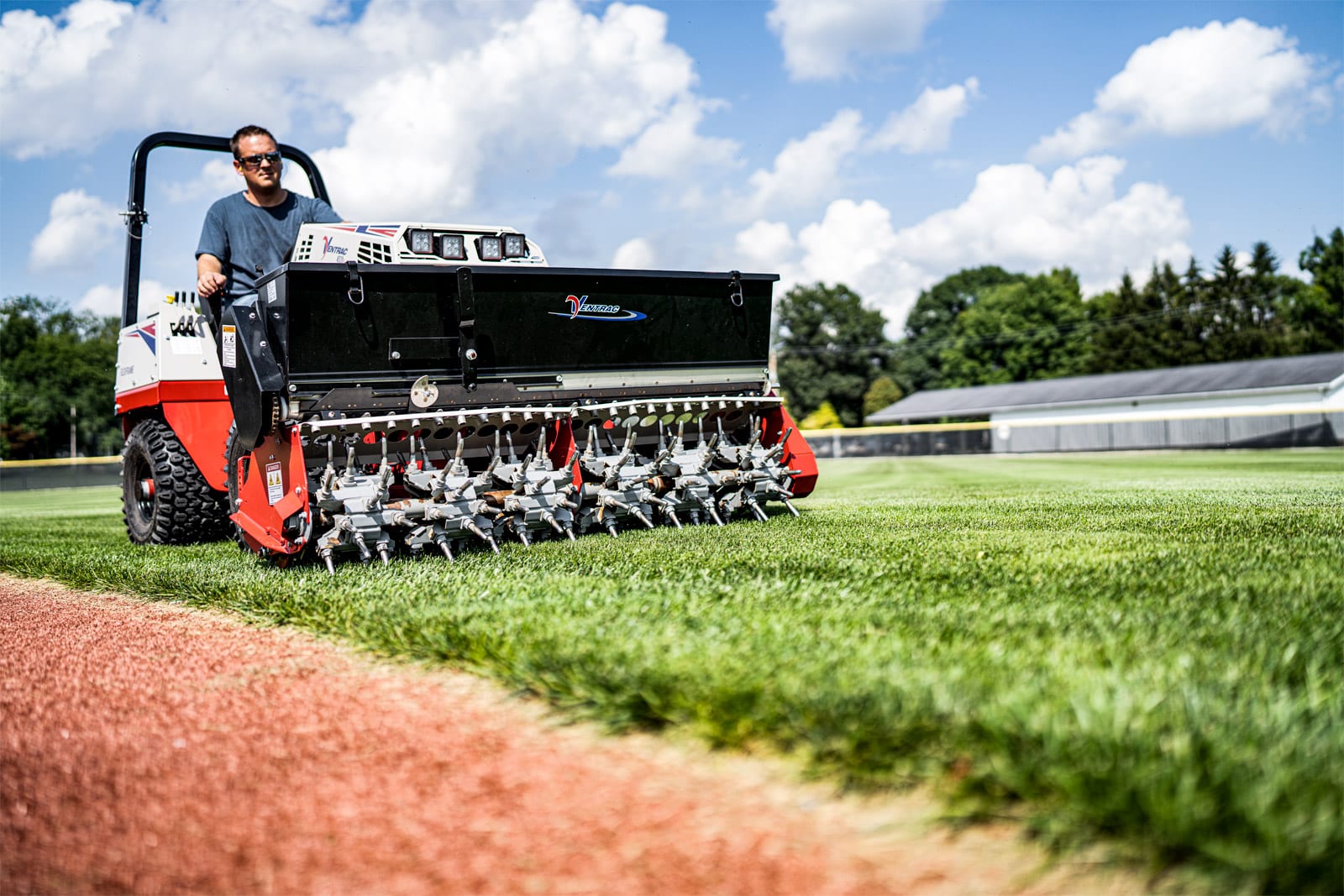
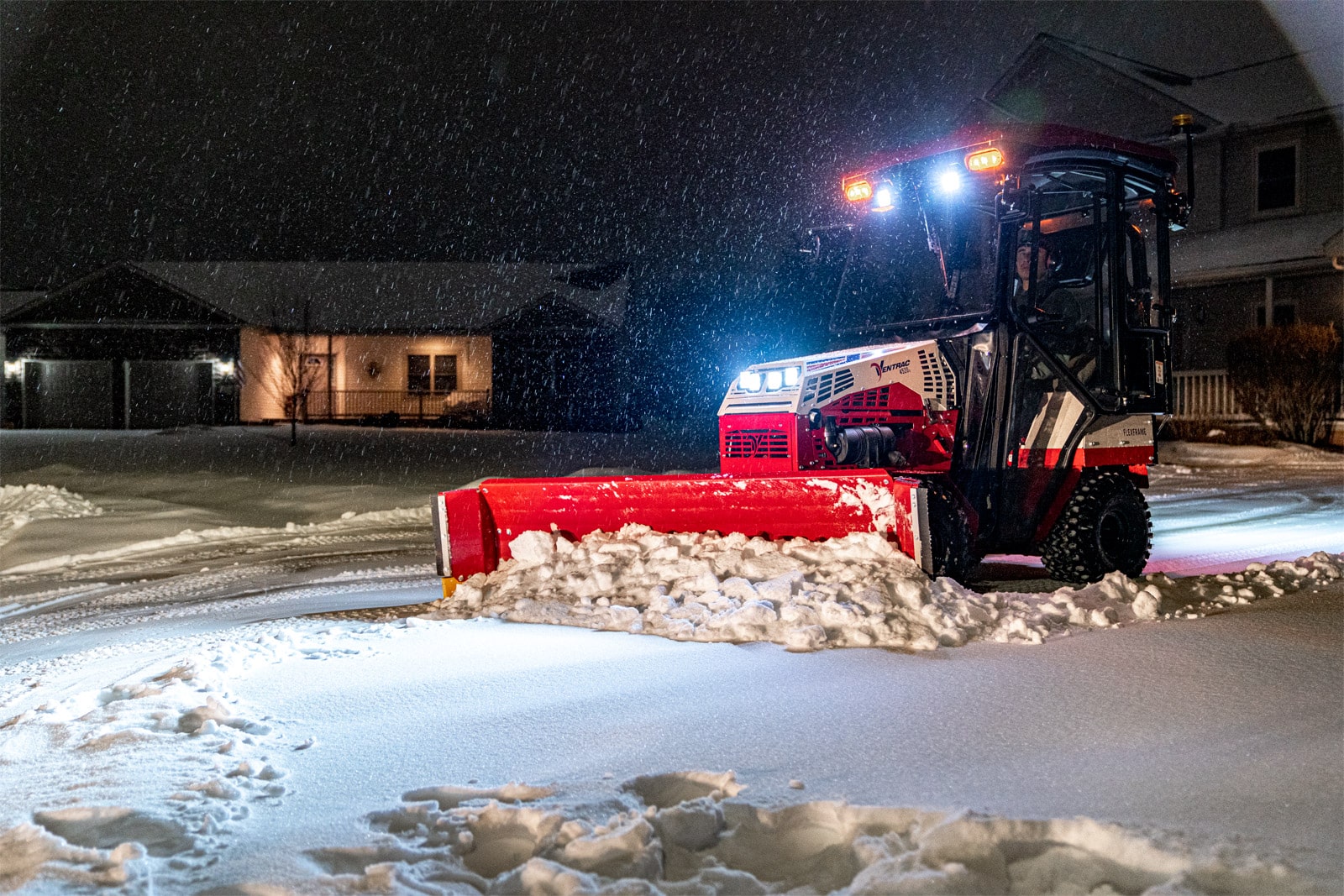
Q10: Beyond agriculture, what other types of equipment does Oneida New Holland offer? A10: In addition to a full line of New Holland agricultural equipment, Oneida New Holland also carries Ground Care, Landscaping, Light Construction, and Vineyard Equipment, including brands like Husqvarna, Ventrac, Western, The Boss, Salt Dog, and Swenson.