



The Ultimate Compact Tractor Guide: Small-Scale Agricultural Equipment That Packs a Punch
Big Power for Small Acreage: Demystifying Sub-50 HP Machinery for Hobby Farms, Vineyards, and Rural Estates
Small-scale land management—whether it takes the form of a boutique commercial vineyard, a diverse hobby farm, or an expansive rural residential estate—demands a unique class of machinery. This comprehensive guide operates on the premise that right sizing your fleet with compact agriculture equipment under 50 horsepower is not a compromise on capability, but a deliberate optimization strategy. By exploring highly maneuverable, versatile platforms like the New Holland Boomer series, landowners can achieve commercial-grade utility, precise row navigation, and reduced soil compaction without the massive footprint or prohibitive capital costs of full-sized row-crop tractors.
Introduction
For years, the popular image of heavy-duty farming has been dominated by massive, articulation-jointed tractors pulling industrial-scale implements across endless horizons. Yet, a quiet revolution has taken place across the rural landscape. As estate owners, hobby farmers, and high-value specialty growers (such as vineyard and orchard operators) increase production efficiency, the demand for highly specialized, smaller-scale agriculture equipment has skyrocketed. Managing a 10-acre organic homestead or navigating the narrow, tight canopies of a Niagara Peninsula vineyard requires nimble agility combined with uncompromising mechanical strength.
Enter the sub-50 horsepower compact tractor. These engineering marvels are designed to bridge the gap between heavy commercial machinery and residential lawn equipment. Don’t let their smaller stature fool you; when engineered correctly—featuring robust hydraulic flows, independent Power Take-Off (PTO) shafts, and four-wheel-drive configurations—these machines pack a massive punch. This ultimate guide breaks down the essential factors small-scale operators must consider to unlock the full potential of sub-50 HP machinery for their land.
1. Defining the Sub-50 HP Compact Tractor Segment
To select the ideal machine, it is vital to understand what defines a sub-50 HP compact tractor and why it excels as small-scale agriculture equipment. This class of machinery typically ranges from 25 to 47 horsepower and is built on structurally rigid, scaled-down chassis systems designed for maximum power density. Unlike light utility vehicles or lawn tractors, compact tractors utilize heavy cast-iron transaxles, commercial diesel power plants, and category-standard hitches, allowing them to handle grueling physical tasks like earthmoving, deep tillage, and continuous heavy mowing safely.
- The sub-50 HP weight-to-horsepower ratio is optimized to provide enough downward force for heavy ground-engaging implements while maintaining a light enough footprint to preserve delicate turf.
- High-quality series, such as the New Holland Boomer line, provide premium features like standard four-wheel drive (4WD) and synchromesh or hydrostatic transmissions within this compact footprint.
- This segment utilizes specialized compact diesel engines that deliver exceptional torque at low engine RPMs, maximizing fuel economy and reducing raw operational costs over long days.
2. Maneuverability and Row Navigation in Specialty Agriculture
For vineyard operators and orchard growers, a tractor’s exterior dimensions are just as critical as its engine power output. Standard agricultural machinery is simply too wide to pass through narrow, high-value fruit rows without risking structural damage to the trellises, root systems, or low-hanging crop canopies. Compact sub-50 HP tractors feature streamlined, narrow wheel tracks and ultra-tight turning radiuses that allow operators to effortlessly loop around the ends of tight rows and work smoothly in confined outbuildings.
- High-end compact tractors offer turning radiuses of under 10 feet, allowing operators to execute clean u-turns at the end of tight vineyard rows without complex multi-point maneuvering.
- Slim chassis designs allow for seamless clearing of standard 8-to-10-foot orchard and vineyard spacing, preventing expensive bark scrapings or crop loss.
- Low-profile configurations and folding Rollover Protective Structures (ROPS) allow these tractors to clear low orchard canopies and drive smoothly inside standard residential garage doors.
3. The Power Take-Off (PTO) System: Driving Your Attachments
Horsepower numbers mean very little if the tractor cannot efficiently transfer that mechanical energy directly to your implements. The Power Take-Off (PTO) is the spinning shaft at the rear of the tractor that mechanically drives high-draw tools like rotary cutters, snowblowers, and post-hole diggers. When selecting sub-50 HP agriculture equipment, it is essential to look at the “PTO horsepower” metric rather than just gross engine horsepower, as this determines the maximum width and weight of the implements you can successfully operate.
- Premium compacts feature an Independent PTO, which allows the operator to engage or disengage the rear implement on the fly using a simple switch, entirely independent of the tractor’s ground speed.
- Standard 540-RPM rear PTOs allow sub-50 HP tractors to run a massive ecosystem of commercial attachments, from heavy-duty tillers to multi-stage manure spreaders.
- Some compact models offer an optional mid-PTO, providing the auxiliary mechanical drive needed to operate front-mounted snowblowers or mid-mount belly mowing decks.
4. Decoding Transmissions: Hydrostatic vs. Manual Gear Setups
Choosing how your tractor shifts gears will completely transform your daily operational experience, depending on the tasks you tackle most. Compact tractors generally come with two primary transmission choices: a mechanical gear-driven manual setup (like a synchro shuttle) or a fluid-driven Hydrostatic (HST) transmission. Manual transmissions excel at heavy, continuous ground-engaging work like deep plowing, while hydrostatic setups offer an intuitive, automotive-style two-pedal control system that makes frequent directional changes incredibly easy.
- Hydrostatic transmissions use separate forward and reverse foot pedals to regulate speed and travel direction seamlessly, making them the gold standard for high-intensity front loader and landscaping work.
- Manual gear transmissions provide absolute mechanical lockup and fixed ground speeds, which is highly advantageous for precision vineyard spraying or seed planting applications.
- Systems like the New Holland Boomer’s dual-pedal hydrostatic transmission reduce operator leg fatigue by eliminating the need to continuously press a heavy mechanical clutch pedal.
5. Hydraulic Flow and Front Loader Capabilities
A compact tractor is only as good as its hydraulic system, which acts as the lifeblood driving its lifting capacities and steering responses. Total hydraulic output is measured in Gallons Per Minute (GPM) and is typically split into two distinct circuits: one dedicated entirely to responsive power steering, and the other fueling the main implement valves. High hydraulic flow ensures that front-end loaders lift heavy materials rapidly, bucket attachments respond instantly, and auxiliary hydraulic remotes have the pressure required to run hydraulic implement motors.
- Sub-50 HP tractors with dual hydraulic pumps ensure that steering remains light and responsive even when lifting maximum capacities on the front loader.
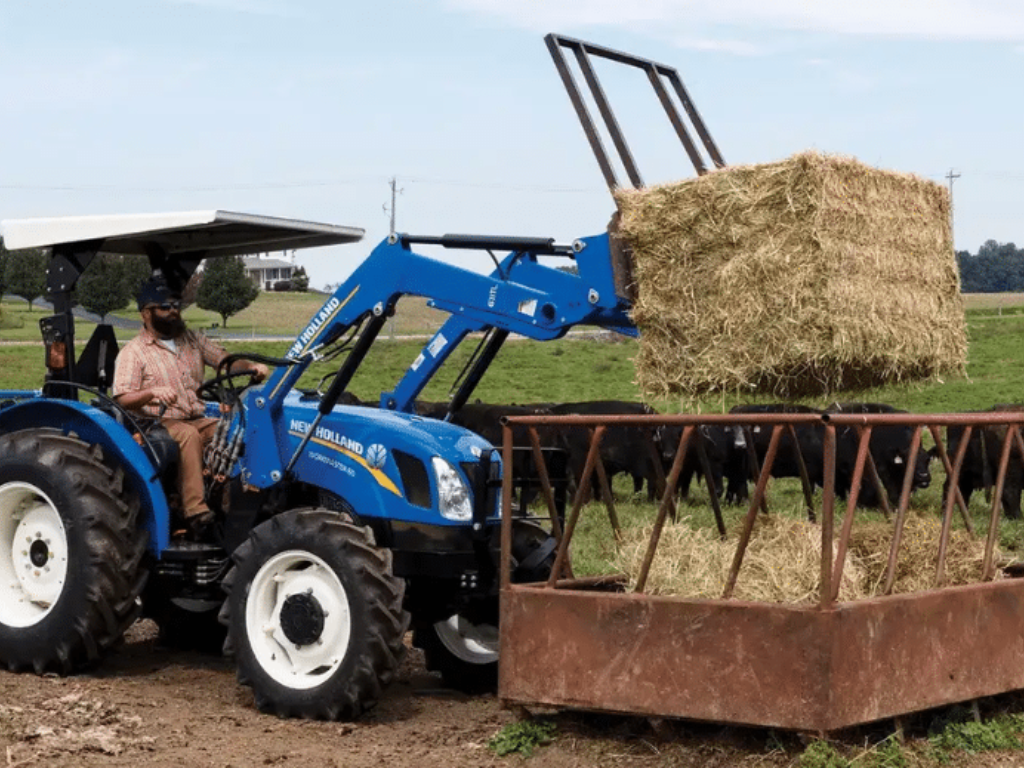
- Standard quick-attach skid-steer style front buckets allow landowners to switch from a material bucket to pallet forks or a snow blade in under 60 seconds without tools.
- Having rear-mounted hydraulic remote valves lets operators run advanced implements like hydraulic-angling dirt blades, wood splitters, and dump trailers.
6. Mitigating Soil Compaction on Estates and Small Farms
Heavy commercial tractors apply immense downward pressure on fields, which crushes vital subsoil pore spaces, restricts root growth, and ruins natural water drainage. For hobby farmers growing premium organic produce or estate owners keeping pristine lawns, minimizing soil compaction is a major operational priority. Compact sub-50 HP tractors distribute their weight far more evenly across a smaller contact patch, preserving delicate soil structures and keeping lawns pristine.
- Sub-50 HP tractors weigh significantly less than commercial row-crop models, reducing deep-soil compaction issues that restrict root development in delicate market garden beds.
- Landowners can choose from specialized tire options, such as R4 Industrial tires for puncture resistance or R3 Turf tires to completely avoid leaving deep ruts on wet lawns.
- Reduced overall machine weight means you can safely drive across residential culverts, bridge crossings, and septic fields without causing catastrophic structural damage.
7. Universal Versatility through the Three-Point Hitch
The true secret behind the Swiss-Army-knife nature of compact agriculture equipment is the standardized Category 1 three-point hitch system. This heavy-duty rear linkage configuration allows you to lift, lower, and precisely control an almost infinite variety of non-powered and powered implements. Whether you need to scrape gravel driveways, spread bulk compost, or pull deep subsoil tines, a Category 1 hitch turns a single sub-50 HP tractor into a true multi-purpose workhorse.
- Category 1 three-point hitches utilize standardized pin sizes and spacing dimensions, giving you complete access to thousands of implement brands and styles across the industry.
- Premium compacts feature telescopic stabilizers and flex-end lower links, allowing a single operator to hook up heavy rear implements easily without manual wrestling.
- Optional quick-hitch adapters allow operators to back up, latch onto a rear implement, and lock it into place without ever stepping off the tractor platform.
8. Premium Cabin Ergonomics and All-Weather Protection
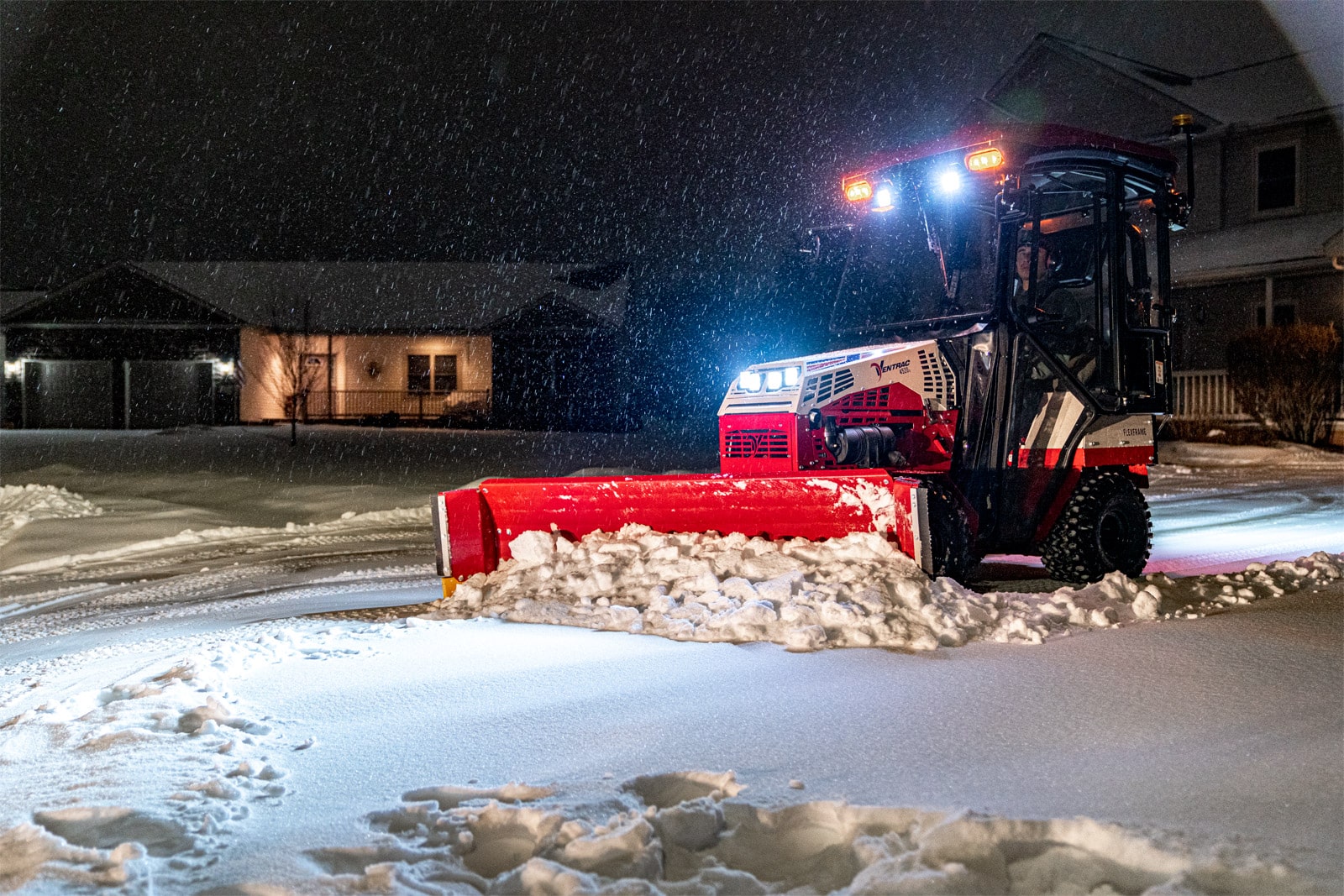
Historically, buying a smaller utility tractor meant sacrificing operator comfort and braving rain, snow, and blazing heat out on an open platform. Modern sub-50 HP tractors change the game by offering fully sealed, factory-installed deluxe cabs that rival the comfort of full-sized commercial machines. For rural property owners clearing heavy snow drifts in winter or vineyard operators spraying inputs during humid summer days, an insulated cab turns grueling chores into a comfortable, productive experience.
- Factory-installed cabs feature powerful, integrated heating and air conditioning (HVAC) systems to ensure absolute operator comfort regardless of extreme seasonal shifts.
- Sealed, rubber-isolated cabs significantly dampen engine noise and vibration, protecting your hearing and keeping you energized through long working days.
- Modern cab designs prioritize 360-degree visibility with expansive curved glass panels, rear wipers, and bright LED work light packages for safe early-morning or late-night operations.
9. Simplified Maintenance and Long-Term Reliability
Hobby farmers and estate owners rarely employ full-time mechanical staff, meaning ease of maintenance is a vital factor when evaluating new investments. Leading sub-50 HP compact tractors are engineered specifically for straightforward, tool-free routine care. Flip-up, single-piece hood designs provide instant, clear access to engine oil dipsticks, fuel filters, radiators, and air cleaners, making it easy to perform regular checks and protect your machine’s long-term resale value.
- Modern sub-50 HP clean-diesel engines do not require complex, expensive Diesel Exhaust Fluid (DEF) additives, saving you money and simplifying your fuel storage logistics.
- Ground-level access to all primary grease points and fluid fillers ensures that anyone can complete basic preventative maintenance checklists quickly and safely.
- Investing in a premier brand ensures a steady, reliable supply of genuine filters, belts, and replacement parts through your local authorized dealer network.
10. Fleet Economics: Safe Trailering and Low Operational Overhead
The financial and logistical benefits of sub-50 HP tractors extend far beyond the initial purchase price. Because these machines feature compact dimensions and modest total weights, they can be safely towed behind standard half-ton or three-quarter-ton pickup trucks using a conventional utility trailer. This gives hobby farmers and landscape contractors the freedom to transport their equipment between separate farm plots, woodlots, or customer job sites easily without needing expensive commercial hauling permits or heavy-duty flatbed trucks.
- A sub-50 HP tractor paired with a front loader and rear attachment typically fits comfortably on a standard 18-to-20-foot utility trailer with a gross vehicle weight rating (GVWR) under 10,000 lbs.
- These highly efficient compact diesel engines consume significantly less fuel per hour than mid-sized or heavy utility models, slashing ongoing input costs.
- The secondary market for high-quality compact tractors remains incredibly strong, ensuring your investment retains an excellent resale value if your operation ever scales up down the road.
Conclusion
Navigating the diverse demands of a hobby farm, estate, or specialty vineyard requires agriculture equipment that strikes a perfect balance between power and agility. As outlined in this guide, sub-50 HP compact tractors are not scaled-down toys; they are highly engineered, incredibly versatile platforms built to handle tough agricultural challenges while remaining accessible and easy to operate. From running heavy rear PTO implements to sneaking down tight vineyard rows without packing down the soil, these nimble machines prove that size has nothing to do with true productivity.
By selecting a tractor with the right transmission setup, matching hydraulic flow, and appropriate tire configurations for your unique terrain, you turn your equipment into an essential partner for your land. Whether your goal is clearing deep winter snow, cultivating high-value organic crops, or managing pristine pastures, choosing a premium compact tractor gives you the commercial-grade strength, versatility, and efficiency needed to keep your property thriving for decades.
Optimize Your Fleet with Oneida New Holland
Ready to discover the immense power and versatility of a premium sub-50 HP compact tractor? Whether you want to test drive the refined New Holland Boomer series or explore specialized attachments tailored for your vineyard or estate, the multi-generational team at Oneida New Holland is ready to assist. We will help you select, finance, and support the perfect machinery setup tailored exactly to your acreage.
Oneida Caledonia
- Address: 634 Fourth Line, Caledonia, ON, N3W2B3
- Call: 905-765-5011
- Website: https://oneidanewholland.com/
Oneida Niagara
- Address: 1410 Fourth Avenue, St. Catharines, ON, L2S 0B8
- Call: (905) 688-5160
- Website: https://oneidanewholland.com/
Frequently Asked Questions (FAQ)
Q1: What is the main difference between gross engine horsepower and PTO horsepower?
A1: Gross engine horsepower measures the total power output produced by the engine itself. PTO (Power Take-Off) horsepower represents the actual power delivered straight to the rear spinning shaft after accounting for natural frictional losses through the transmission drivetrain. Always use PTO horsepower to determine if a tractor can safely handle power-hungry attachments like rotary cutters or wood chippers.
Q2: Do sub-50 HP compact tractors require Diesel Exhaust Fluid (DEF)?
A2: No. Under current environmental regulations, most diesel engines under 25 HP require no advanced emissions after-treatment, while engines in the 25-to-50 HP range utilize specialized diesel particulate filters (DPF) that do not require adding or managing liquid DEF. This greatly simplifies fuel management for casual owners.
Q3: Which transmission is better for a vineyard or orchard setup: Hydrostatic or Manual?
A3: It depends on your primary task. If your day consists of continuous, steady-speed spraying, seeding, or mowing down long rows, a mechanical gear/manual transmission is ideal because it locks in a precise ground speed. However, if your work involves lots of tight turns, frequent front loader work, or navigating around obstacles, a Hydrostatic (HST) transmission is typically preferred for its effortless, pedal-driven direction shifts.
Q4: Can I safely tow a sub-50 HP compact tractor with a standard half-ton pickup truck?
A4: Yes, in most cases. A sub-50 HP tractor equipped with a front loader and a rear implement typically weighs between 4,000 and 6,500 lbs. When paired with a properly rated tandem-axle utility trailer, this payload falls well within the towing capacity of modern half-ton and three-quarter-ton trucks, provided you use an appropriate trailer brake controller.
Q5: What tire style is best if I want to use my tractor on both pastures and manicured lawns?
A5: For operators balancing rough farm fields with finished turf, an R4 Industrial tire or the newer R14 hybrid tire offers the perfect middle ground. They provide excellent load capacity and puncture resistance for heavy loader work while featuring a much broader, flatter tread pattern that won’t tear up wet turf like a deep-lugged agricultural tire would.