



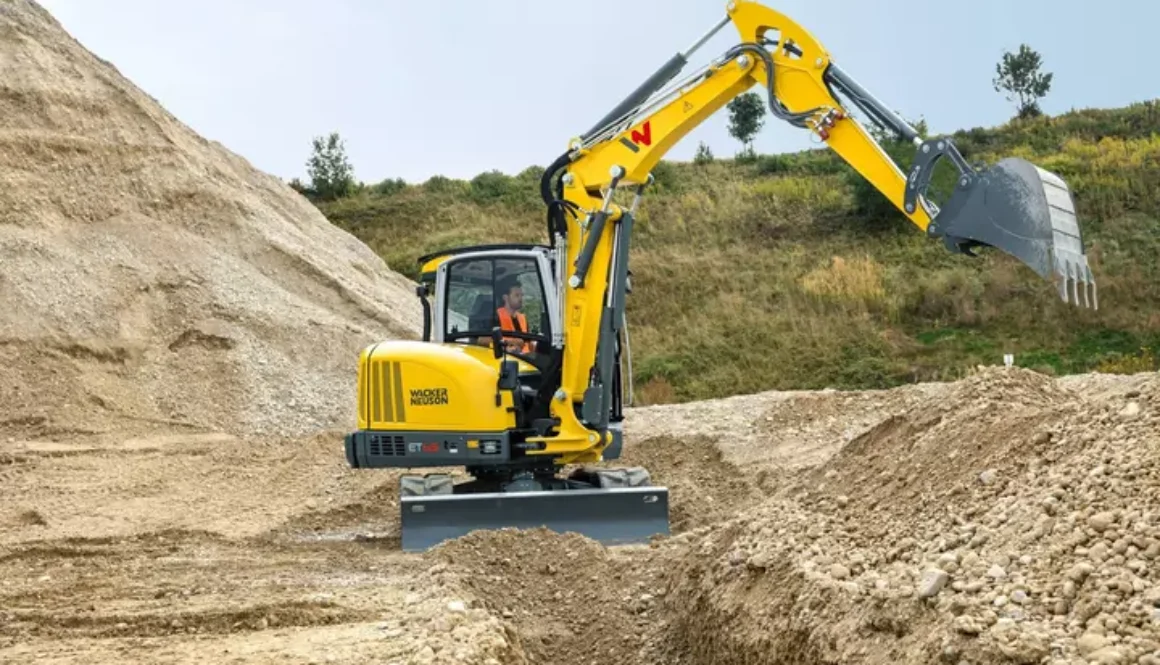
Seasonal Fleet Transitions for Light Construction in Caledonia: Preparing for Winter and Spring Thaw
Bridge the Seasons Seamlessly: Proven Transition Protocols to Protect Machinery and Safeguard Uptime Across Haldimand County.
In Southern Ontario, the operational calendar for light construction is governed by dramatic environmental shifts. Along the lower Grand River basin, contractors do not merely contend with standard seasonal changes; they operate across volatile microclimates characterized by biting Lake Erie squalls, deep frost heaves, mid-winter temperature spikes, and saturated, clay-heavy spring thaws. Successfully managing light construction equipment through these cycles requires a dual-phase fleet management strategy. By proactively executing rigorous winterisation protocols in the late autumn and aggressive de-winterisation and soil-adaptation procedures in the early spring, contractors operating in Caledonia can eliminate unexpected machine downtime, prolong component lifespans, and protect operating margins year-round.
Introduction
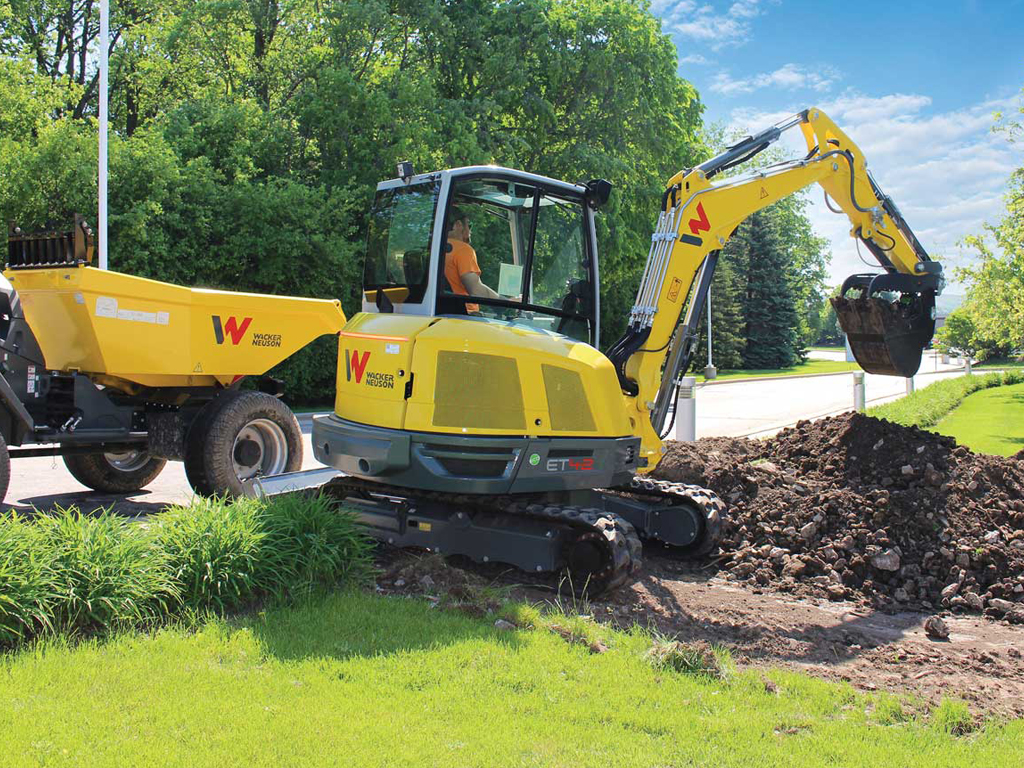
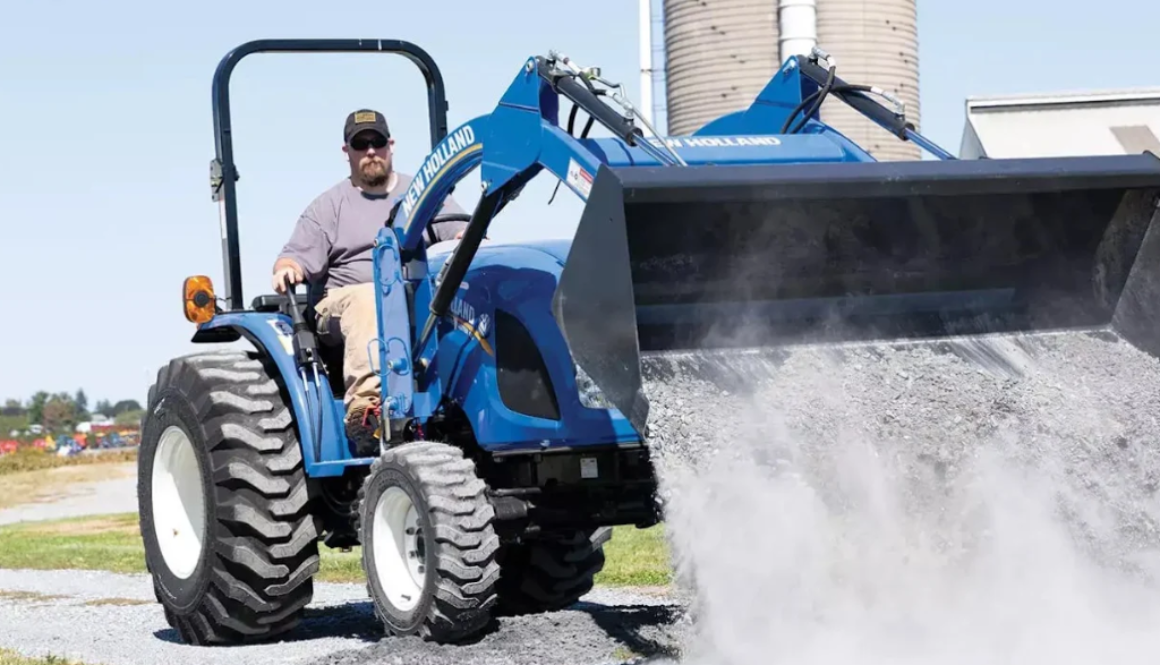
Operating a successful enterprise in light construction in Caledonia demands operational agility and meticulous fleet oversight. Our regional geography presents a formidable operational environment: as autumn draws to a close, ground conditions shift from firm topsoil to frozen bedrock, only to transform into dense, impassable mud during the annual March thaw. For local general contractors, commercial landscapers, utilities installers, and agricultural builders, light construction equipment represents the backbone of everyday productivity. Whether deploying compact track loaders, mini excavators, compact wheel loaders, or skid steers, these machines face intense mechanical stress when cycling between sub-zero snow management and heavy spring earthworks.
The secret to year-round profitability lies in mastering the transition between these two contrasting seasons. Far too often, fleet owners treat seasonal changeovers as passive events, addressing mechanical failures only after a machine refuses to start on a frigid morning or overheats in heavy spring mud. A reactive approach invites catastrophic hydraulic cavitation, accelerated undercarriage wear, electrical failures, and structural fatigue. A structured transition program bridges the gap between seasons, ensuring that construction equipment transitions smoothly from high-torque snow pushing to precision grading, trenching, and foundation excavation. Outlined below are ten vital operational benchmarks for managing seasonal fleet transitions across Caledonia and surrounding Haldimand County.
1. Dual-Phase Hydraulic Fluid and Viscosity Management
Hydraulic systems represent the lifeblood of modern compact machinery, powering everything from high-flow snowblowers and trenchers to hydrostatic drive motors. Because hydraulic fluid viscosity shifts drastically with ambient temperatures, maintaining a single generic oil across both winter freezes and spring workloads compromises machine efficiency. In late autumn, transitioning light construction equipment to a high-viscosity-index (HVI) multi-grade fluid or a dedicated low-viscosity ISO 32 synthetic ensures immediate fluid delivery through pump cavities during freezing starts, preventing pump cavitation and sluggish control response. When temperatures rebound in spring and heavy digging resumes under high continuous loads, fluid integrity must be re-evaluated to ensure the hydraulic oil retains sufficient film strength and thermal stability to prevent component scuffing.
- Drain condensation water from hydraulic reservoirs at the onset of both winter and spring, as dramatic freeze-thaw cycles draw ambient moisture past breather caps into fluid tanks.
- Replace auxiliary return-line and case-drain filter cartridges when switching between seasonal fluid weights to prevent particulate backpressure.
- Implement a mandatory five-minute hydraulic warm-up cycle at low idle before engaging auxiliary controls in winter, followed by cycling cylinders without load to distribute warm oil evenly.
2. Undercarriage Adaptation: From Ice Mitigation to Heavy Clay Evacuation
The undercarriage assembly endures the most direct abuse from seasonal ground conditions in Caledonia, where dense river-valley clay presents unique adhesion challenges. As autumn shifts into winter, wet soil, aggregate, and slush easily freeze solid inside track rollers, idler wheels, and drive sprockets overnight, which can tear rubber tracks and seize travel motors. Conversely, when the spring thaw arrives, saturated soil acts as an aggressive grinding paste that packs tightly into undercarriage cavities, straining hydraulic track tensioners and accelerating roller-flange wear. Adapting your maintenance routine to match these changing ground substrates is critical for preserving track integrity.
- Scrape out track assemblies and undercarriage pockets thoroughly at the end of every work shift using dedicated clean-out tools before parked equipment sits overnight.
- Park tracked machinery on dry wooden dunnage or rubber mats throughout the winter months to prevent track shoes from freezing firmly to the ground surface.
- Re-adjust track tension specifically for spring mud conditions, as wet soil packing into sprockets can artificially overtighten tracks, placing excessive load on final drive bearings.
3. Fuel Quality Control, Anti-Gelling Chemistry, and Condensation Elimination
Unconditioned diesel fuel is a primary cause of cold-weather starting failures on Canadian jobsites. Standard No. 2 diesel contains naturally occurring paraffin wax that begins crystallizing and clouding as temperatures near zero degrees Celsius, eventually clogging fuel filters and starving high-pressure common rail injection systems. Transitioning to winter-blended fuel, utilizing premium cold-flow conditioners, and servicing filtration units prevents costly roadside stalls. In the spring, the challenge shifts from fuel gelling to severe water accumulation, as warm daytime temperatures combined with cool nights generate heavy condensation on internal tank surfaces, fostering microbial contamination and injector corrosion.
- Keep fuel tanks topped up to maximum capacity at the end of each operating day to eliminate the air pocket where tank-wall condensation develops.
- Inspect, drain, and clean the primary water separator bowl every morning before turning the ignition key.
- Treat bulk fuel storage tanks and on-board machine tanks with broad-spectrum biocides during the early spring thaw to eradicate bacterial and fungal blooms that thrive in pooled water.
4. Electrical System Optimization and Cold-Cranking Resilience
Cold weather severely diminishes electrochemical activity within commercial lead-acid batteries, reducing cranking power by up to 50 percent in extreme sub-zero weather while the starter simultaneously demands double the amperage to turn over cold engine oil. A single weak cell or loose grounding cable can leave construction equipment stranded when dispatch calls. Prior to the winter freeze, testing battery state-of-health under simulated load, cleaning chassis ground connections, and inspecting alternator output are mandatory preventative steps. In the spring, high jobsite humidity and melting slush penetrate wire harnesses, making water-shedding electrical protection equally vital.
- Conduct automated digital battery load tests in October; replace any unit failing to maintain at least 80 percent of its original cold-cranking amp (CCA) specification.
- Clean all battery posts, starter terminals, and primary frame grounds down to bare metal, applying a generous coating of dielectric grease or protective sealant.
- Ensure auxiliary 120-volt block heater cords and plug terminals are free of cracks, abrasions, and green copper corrosion before connecting to jobsite shore power.
5. Rigorous Salt, Brine, and Chemical Neutralization
Equipment utilized for commercial snow management in municipal and industrial parking facilities is continually exposed to heavy concentrations of road salt, liquid calcium chloride, and magnesium brine. These de-icing chemicals are exceptionally corrosive, accelerating oxidation on wiring connectors, exposed hydraulic cylinder rods, steel hydraulic hard lines, and painted sheet metal. As winter comes to an end, performing an aggressive chemical neutralization washdown is paramount. Simply rinsing equipment with cold water often reactivates dried salt salts; specialized salt-neutralizing detergents must be applied to dissolve crystalline deposits before the machine transitions into spring earthmoving.
- Pressure-wash the entire machine chassis, radiator pack, and undercarriage using high-pressure warm water blended with salt-dissolving chemical agents.
- Inspect hydraulic cylinder rods for micro-pitting caused by salt residue, buffing minor imperfections and replacing damaged rod wiper seals immediately.
- Coat exposed electrical junction boxes, quick-coupler solenoids, and bare metal chassis linkages with long-lasting lanolin- or wax-based corrosion inhibitors.
6. Managing Spring Half-Load Restrictions and Transport Logistics
In Haldimand County and across Southern Ontario, the arrival of the spring thaw prompts local municipalities and the Ministry of Transportation to enforce seasonal reduced load periods (commonly known as “half-load restrictions”). As the frost leaves the subgrade, rural roads and secondary routes become structurally vulnerable to damage from heavy axles. Contractors operating light construction in Caledonia must plan transport logistics meticulously, ensuring that truck, trailer, and machine combinations comply with gross vehicle weight limitations to avoid punitive road fines and transport delays.
- Audit the transport weights of your light construction equipment, mapping out compliant municipal haul routes that utilize designated heavy truck corridors.
- Split machinery attachments and auxiliary tools onto secondary utility trailers to balance per-axle weight distribution during half-load enforcement windows.
- Ensure transport trailers undergo seasonal spring brake overhauls, wheel bearing repacking, and safety inspections following months of hauling over winter-salted roads.
7. Strategic Attachment Transitions and Auxiliary Hydraulic Calibration
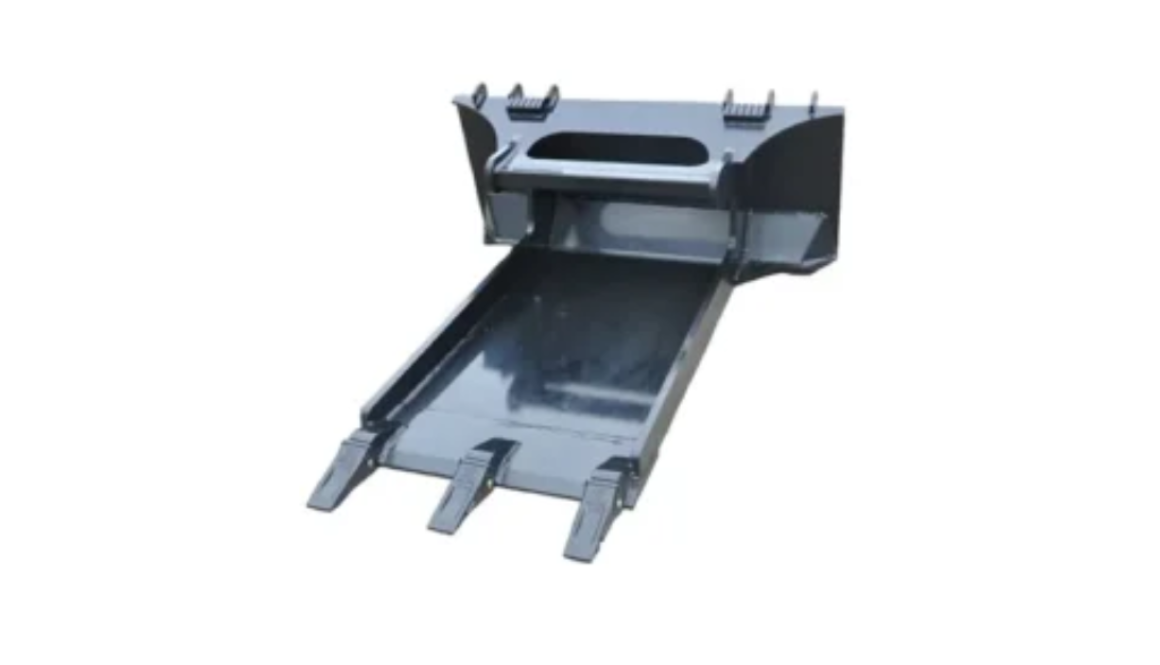
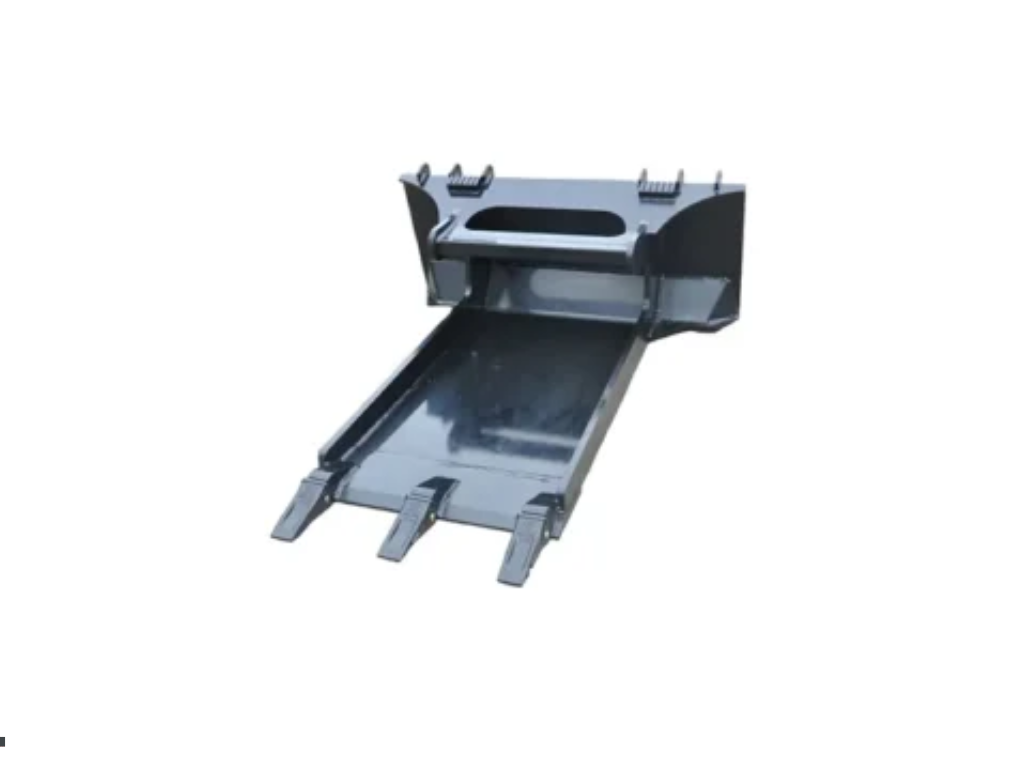
Maximizing fleet utilization requires treating your base machine as a multi-functional power unit that transitions seamlessly between seasonal jobs. Late autumn demands the mounting and calibration of snow pushers, V-blades, high-output rotary brooms, and salt spreaders. When spring approaches, these tools must be decommissioned, properly stored, and replaced with earthmoving buckets, hydraulic breakers, soil trenchers, and landscape rakes. Successfully switching attachments requires more than simply coupling mounting plates; it demands matching auxiliary hydraulic flow and pressure settings to each specific implement to avoid overheating pumps or rupturing hoses.
- Inspect flat-face hydraulic quick-couplers for dirt accumulation, cracked o-rings, and pressure-lock conditions before connecting seasonal attachments.
- Wash, lubricate, and coat the mechanical pivot pins and cylinder rods of winter snow attachments with rust-inhibiting grease prior to long-term summer yard storage.
- Calibrate in-cab digital auxiliary hydraulic flow presets to match the precise gallon-per-minute (GPM) requirements of upcoming spring attachments.
8. Cooling System Integrity and Thermal Cycling Diagnostics
The cooling package on modern compact construction equipment must handle extreme thermal cycling, radiating heat effectively during long hours of high-RPM snow blowing while warming the engine block rapidly during sub-zero starts. As temperatures fluctuate through the winter-into-spring transition, rubber coolant hoses stiffen and contract, causing small weeping leaks around hose clamps and thermostat housings. In spring, radiator and oil-cooler fins become packed with airborne chaff, construction dust, and muddy spray, creating severe overheating risks during demanding excavation cycles.
- Check coolant concentration using an optical refractometer to guarantee freeze protection down to at least minus 37 degrees Celsius while verifying adequate corrosion inhibitors.
- Pressure-test the radiator cap and cooling circuit to detect micro-fissures in plastic recovery tanks, hose junctions, and water pump mechanical seals.
- Blow out the radiator cores, hydraulic oil cooler, and air conditioning condenser fins with compressed air from the engine side outward to clear packed debris.
9. Structural Lubrication, Bushing Purging, and Moisture Sealing
Pin joints, swing bearings, and structural bushings are highly susceptible to moisture ingress during seasonal transitions. In winter, sub-zero slush penetrates ungreased pivot points; during the spring thaw, equipment operates in standing water, liquid mud, and slurry. Regular daily greasing is the single most effective maintenance task an operator can perform. Injecting fresh, water-resistant grease forces out moisture, grit, and fine clay particles, forming an impermeable collar that protects precision-machined pins and bushings from abrasive wear.
- Transition to a water-resistant, heavy-duty calcium sulfonate or synthetic lithium-complex grease containing five percent molybdenum disulfide for maximum shock-load protection.
- Grease all loader arm pivots, bucket linkages, and excavator slew rings daily until clean grease purges visibly from the bushing seals.
- Check pivot pins and bushings for excessive mechanical play before starting spring operations; replacing worn bushings early prevents ovaling of machine frame bores.
10. Spring Ground Readiness: Compaction and Dewatering Equipment Deployment
The arrival of the spring thaw in Caledonia transforms work areas into saturated, unworkable terrain. Soil bearing capacities drop sharply, trenches collect standing water, and structural grading becomes impossible without mechanical intervention. A fully realized seasonal fleet transition involves not only preparing excavators and loaders, but also activating specialized support machinery. Preparing your fleet of vibratory plate compactors, rammers, and commercial dewatering pumps ensures your crews can dry out jobsites, stabilize foundations, and achieve engineering-grade compaction standards without losing weeks to wet weather.
- Service portable centrifugal and submersible trash pumps, inspecting impellers, mechanical seals, and discharge hoses before spring groundwater rises.
- Clean and test reversible and single-direction vibratory plate compactors, replacing worn exciter oil and verifying engine drive belts are tensioned correctly.
- Stockpile granular base materials on elevated, well-drained pads so your compact equipment can immediately begin stabilizing saturated jobsite entrances.
Conclusion
A proactive approach to seasonal fleet management is what separates high-margin contracting businesses from operations plagued by unexpected downtime. In an operational region like Caledonia, where severe winter freezes transition into challenging spring thaws, your machinery must be deliberately prepared to handle both extremes. By establishing systematic seasonal fluid changes, rigorous undercarriage cleaning schedules, electrical fortification, and thorough post-winter salt decontamination, you protect your capital investment and ensure dependable performance across every project. Partnering with a dedicated local equipment dealership provides access to factory-trained technicians, genuine maintenance components, and prompt support, keeping your machinery ready to build, dig, and clear through every season.
Contact Us
Ensure your machinery is fully prepped, protected, and optimized for upcoming seasonal transitions. Whether you need specialized winter lubricants, rapid undercarriage parts, spring attachment inspections, or comprehensive fleet servicing, our factory-trained team is standing by to keep your equipment running at peak performance.
Oneida Caledonia
- Address: 634 Fourth Line, Caledonia, ON, N3W2B3
- Call: 905-765-5011
- Website: https://oneidanewholland.com/
Oneida Niagara
- Address: 1410 Fourth Avenue, St. Catharines, ON, L2S 0B8
- Call: (905) 688-5160
- Website: https://oneidanewholland.com/
Frequently Asked Questions (FAQ)
Q1. Why is salt neutralization so critical before transitioning equipment into spring work?
A1. Winter de-icing materials contain aggressive chemical chlorides that remain bonded to metal surfaces, electrical harnesses, and hydraulic lines. If left unaddressed, the higher ambient temperatures and humidity of spring accelerate the chemical reaction, causing severe corrosion, electrical pin failures, and pitting on polished hydraulic cylinder rods. Washing equipment with specialized salt-neutralizing detergents breaks down these salt bonds and stops the oxidation process completely.
Q2. How do Haldimand County’s spring half-load restrictions impact light equipment transport?
A2. During the spring thaw, subsurface moisture weakens municipal roadbeds, leading local authorities to enforce reduced axle-weight regulations (typically five tonnes per axle) on designated rural routes. Contractors transporting compact excavators, loaders, and heavy attachments must verify gross vehicle weight ratings, choose compliant truck routes, or transport machines and attachments on separate trips to avoid substantial fines and road damage.
Q3. When is the best time to switch from winter-grade to standard-grade hydraulic oil?
A3. The switch depends on sustained ambient operating temperatures. In Southern Ontario, low-viscosity winter fluids (such as ISO 32 or synthetic multigrade oils) should remain in the machine until morning overnight lows consistently stay above freezing. Once daytime temperatures reliably exceed 15 degrees Celsius and machines engage in sustained high-load digging, transitioning to an ISO 46 or all-season premium fluid provides the higher film strength needed to protect hydraulic pumps from premature wear.
Q4. How does wet spring clay in Caledonia affect compact track loader undercarriages?
A4. Caledonia’s heavy river-valley clay adheres aggressively to steel and rubber components. As it packs into track frames, rollers, and drive sprockets, it acts as an abrasive compound that accelerates component wear. Furthermore, dried clay can artificially increase track tension, putting excessive lateral strain on drive motors, idlers, and bearings. Daily undercarriage cleanouts and regular track tension checks are essential during the spring thaw.