



Light Construction Equipment Essentials for Landscape Contractors Scaling Up
Premise
For landscape contractors looking to grow, manual labor and handheld tools inevitably hit a productivity ceiling where adding more workers yields diminishing financial returns. By strategically investing in versatile, light construction machinery—such as compact excavators, skid steers, compact track loaders, and mini articulated loaders—growing landscaping enterprises can dramatically reduce labor overhead, shorten project turnaround times, bid on high-margin commercial and residential design-build projects, and scale operations sustainably.
Introduction
The transition from a boutique residential landscaping crew to a high-capacity design-build enterprise is one of the most challenging growth leaps a contractor will make. In today’s competitive construction landscape, skilled jobsite labor is scarce, project timelines are shrinking, and client expectations for intricate hardscaping, custom earthworks, and structural grading continue to climb. Relying on shovels, wheelbarrows, and handheld power equipment limits revenue potential and exposes workers to repetitive strain injuries that slow jobsite momentum.
Light construction equipment offers the mechanical leverage necessary to scale efficiently. Introducing compact, high-output machinery into your everyday workflows multiplies the output of your existing crew, allowing three workers to accomplish what once required eight. However, acquiring machinery without a strategic capital plan can drain reserves and saddle a young company with underutilized assets. Scaling successfully requires selecting multi-functional platforms, choosing correct sizing for residential access gates, investing in game-changing attachments, and securing dependable local dealer service support. Below is an essential guide to the key light construction machinery, attachments, and fleet strategies needed to scale a landscape contracting business to the next level.
1. Compact Track Loaders (CTLs) for Low-Impact Earthmoving
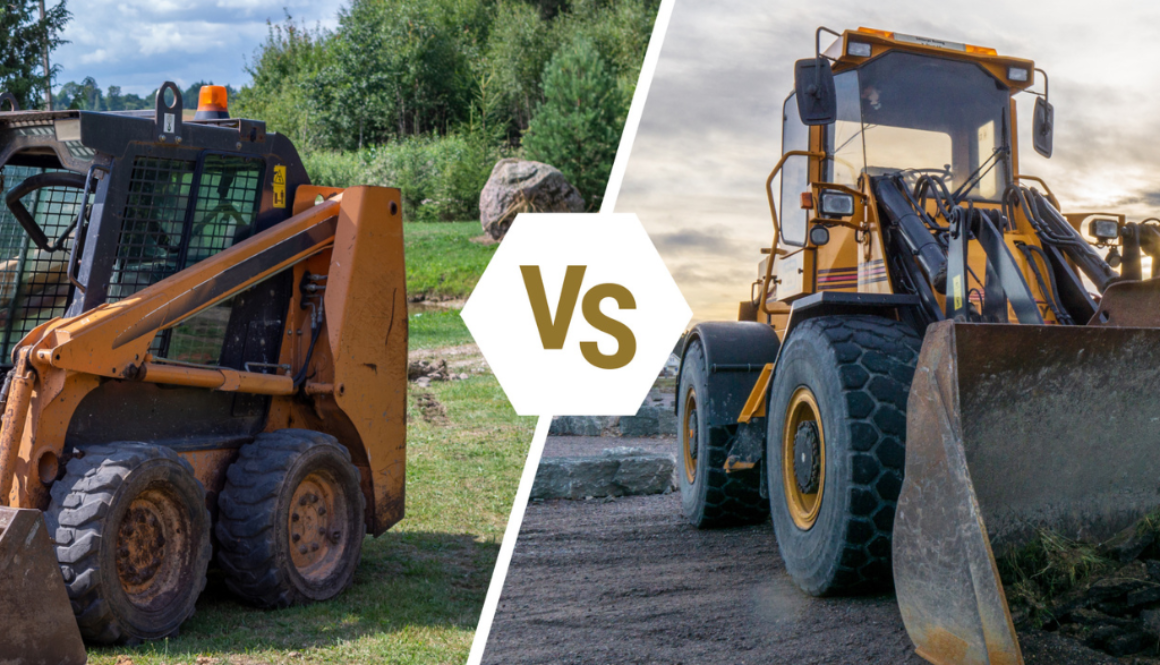
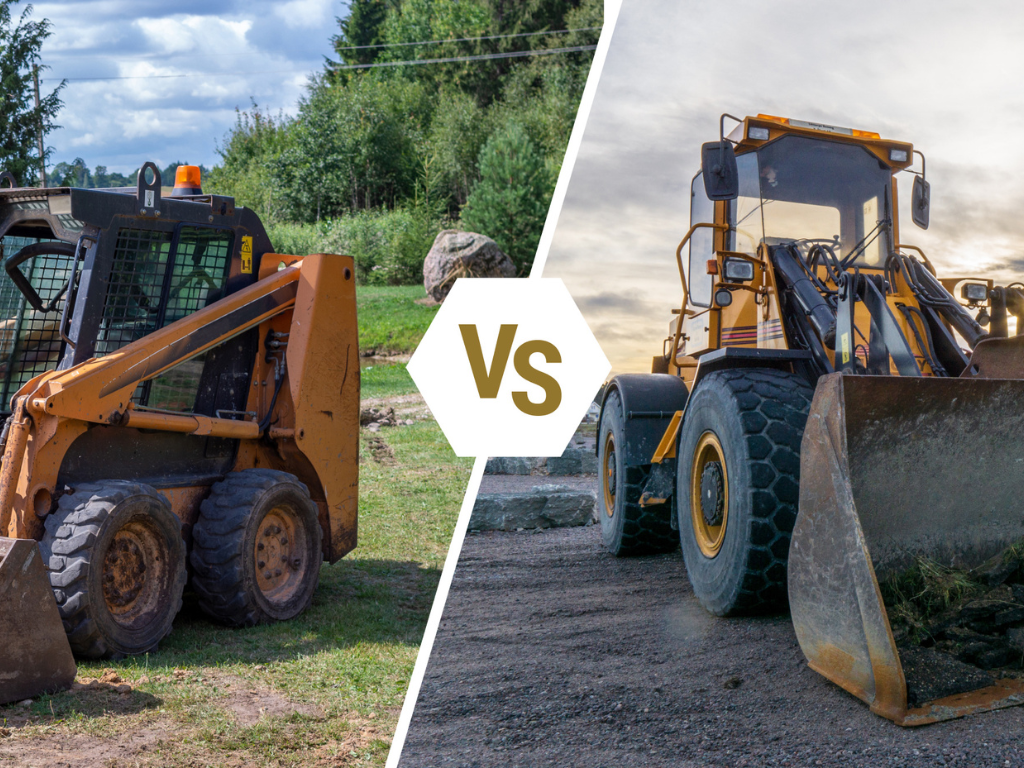
A compact track loader is the undisputed backbone of modern hardscaping and heavy landscape installations. Unlike wheeled skid steers, which can rut sod, churn loose topsoil, and bog down in muddy conditions, a CTL distributes its operating weight over wide rubber tracks. This provides a low ground-pressure footprint, allowing your crew to track heavy pallets of retaining wall stone, base gravel, and bulk aggregates across finished residential lawns with minimal ground disturbance.
- Low ground-pressure profiles minimize client property restoration costs after major earthworks are completed.
- Higher tractive effort and stability allow operators to push harder into packed stockpiles, cut grades, and backfill retaining walls on wet slopes.
- Choose models with strong rated operating capacities (ROC) capable of comfortably lifting full cubes of interlocking stone without tipping.
2. Mini Excavators for Rapid Site Excavation and Trenching
Hand-digging footings for armour stone walls, swimming pools, deck piers, and garden drainage runs consumes hours of billable labor. A mini excavator—particularly machines in the 1.5-ton to 4-ton class—turns day-long manual digging tasks into clean, one-hour operations. With 360-degree house rotation, smooth hydraulic control, and variable-width undercarriages that retract to fit through backyard garden gates, compact excavators are essential for tight-access residential transformations.
- Retractable undercarriages collapse down to squeeze through standard backyard gates, then hydraulically expand to maximize digging stability.
- Independent boom swing functionality allows operators to dig parallel and flush alongside existing home foundations, fences, and property boundaries.
- Integrated dozer blades let the operator stabilize the machine while digging and quickly backfill trenches and level rough subgrades.
3. Compact Articulated Loaders (CALs) for Delicate Turf Applications
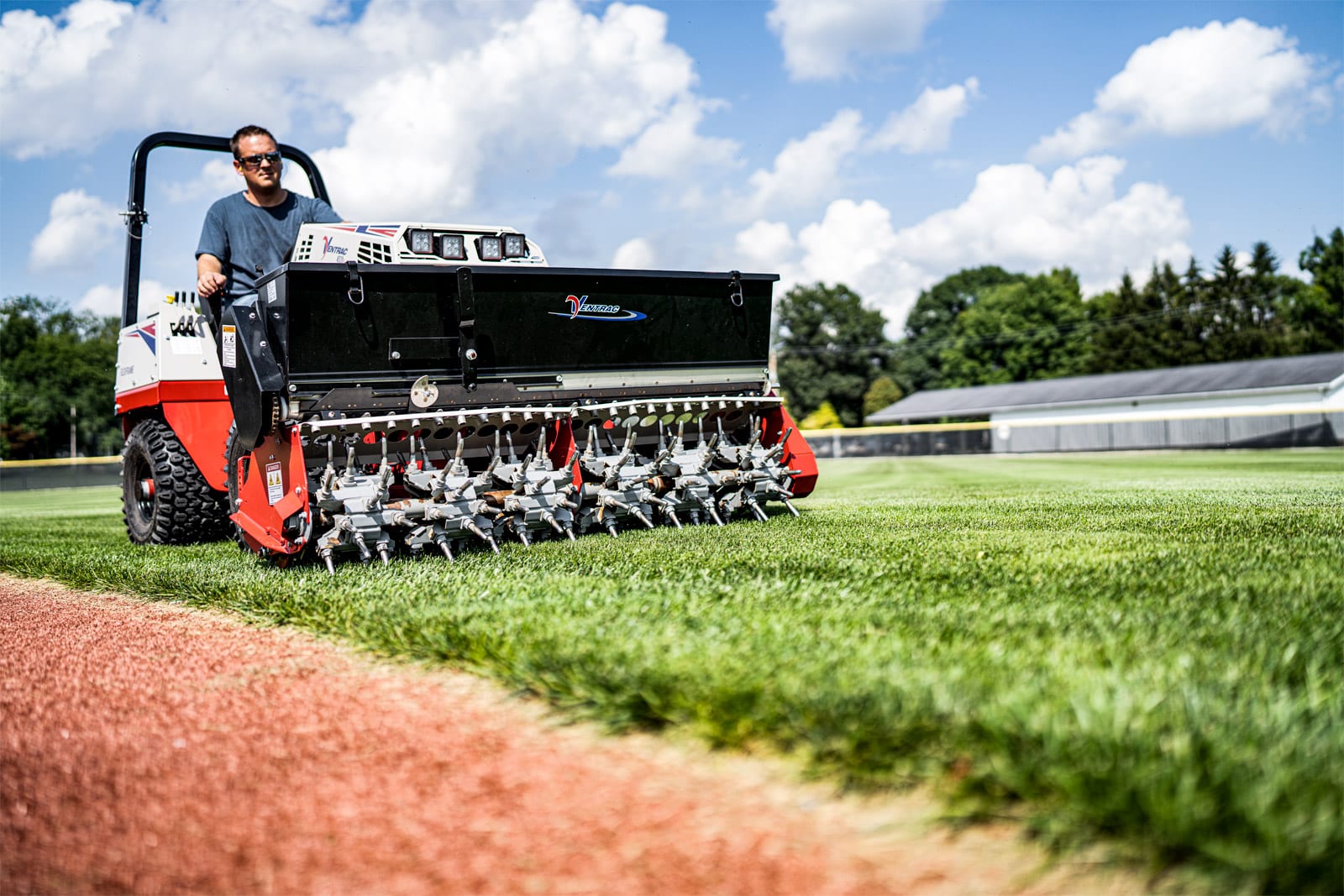
For established estate maintenance, arboriculture, and residential backyard enhancements, compact articulated loaders offer an agile alternative to skid steers. CALs steer via a central articulating pivot joint, eliminating the counter-rotating tire scrubbing that damages manicured turf during directional turns. They offer high lifting heights relative to their operating weight and feature lightweight chassis that can be trailered behind standard light-duty pickup trucks.
- Articulated steering preserves golf-course-quality turf surfaces, eliminating the need to lay expensive ground protection mats.
- High seating positions give operators panoramic, unobstructed visibility of bucket edges, obstacles, and co-workers.
- Low overall machine weights make moving between multiple smaller residential properties on an everyday landscape trailer simple.
4. Hydraulic Quick-Couplers and Multi-Functional Attachment Ecosystems
A machine parked on a trailer because it only does one job is a drag on company cash flow. The true key to scaling with light construction equipment lies in treating loaders and excavators as universal hydraulic powerheads. Outfitting machines with hydraulic quick-couplers allows an operator to drop a smooth grading bucket and pick up an auger, hydraulic breaker, or land plane in seconds without leaving the climate-controlled cab.
- High-flow auxiliary hydraulic circuits unlock heavy-duty attachments like asphalt cold planers, forestry mulchers, and soil tillers.
- Standardized universal skid-steer mounting plates allow you to share specialized attachments seamlessly across diverse loader brands within your fleet.
- Hydraulic tilt-rotators on mini excavators deliver unmatched bucket agility, allowing operators to sculpt complex bioswales and patio bases from a single position.
5. Specialized Grapple Buckets and Material Handlers
Handling irregular landscape boulders, oversized root balls, brush piles, and demolition rubble with standard dirt buckets is hazardous and inefficient. Heavy-duty hydraulic grapple buckets provide dual independent clamps that secure uneven, asymmetrical loads safely against the bucket frame. This attachment turns clearing rugged scrub and placing massive outcropping rocks into a rapid, safe, single-operator task.
- Dual independent hydraulic clamps secure uneven rock shapes and logs without dropping loose debris during travel across the jobsite.
- Skeleton or rock grapple designs filter out loose soil and fine sand while retaining rocks, roots, and structural debris for clean sorting.
- Significantly cuts the risk of hand, back, and foot crushing injuries for crew members previously rolling boulders manually with pry bars.
6. Power Augers and Hydraulic Breakers for Hard Ground Penetration
Installing fence posts, pergola footings, and tree plantings into hard-packed clay, shale, or rocky ground wastes hours of manual effort and burns through handheld augers. Machine-mounted planetary drive augers generate immense hydraulic torque, drilling straight, clean, deep holes in seconds across challenging substrates. When paired with a hydraulic hammer on a mini excavator, concrete patios, old foundations, and bedrock are rapidly fractured and cleared away.
- Planetary drive units provide high continuous torque to power through embedded river rock, roots, and tough clay layers without stalling.
- Hydraulic breaker attachments turn concrete patio demolition from a backbreaking jackhammer chore into an effortless, rapid machine task.
- Hex-drive output shafts eliminate cotter-pin shearing issues commonly experienced on demanding, high-volume post-hole drilling jobs.
7. Automated Laser and Depth-Control Grading Systems
Precision sub-base preparation is the single most critical factor determining the structural longevity of interlocking brick pavers, roadways, and retaining structures. Integrating 2D laser receivers or machine-guidance depth-control systems with your compact loader’s box blade or dozer blade eliminates manual grade checking. The machine receives elevation corrections automatically, cutting bases precisely to within millimeters on the first pass and preventing expensive over-digging and aggregate waste.
- Eliminates the need for a dedicated crew member to stand continuously in trenches or dust zones holding a grade rod.
- Prevents over-excavation, which saves thousands of dollars annually in unnecessary crushed-stone base material and disposal fees.
- Accelerates project sign-offs by producing flat, perfectly pitched surfaces ready for immediate aggregate compaction and paver installation.
8. Optimized Fleet Transport: Matched Trucks and Trailers
Acquiring heavier machinery without evaluating your commercial transportation infrastructure creates costly logistical bottlenecks. Scaling contractors must match their equipment weights to commercial truck towing ratings, gross vehicle weight ratings (GVWR), and heavy-duty equipment trailers. Ensuring your setups fall within proper licensing brackets and comply with ministry transportation safety regulations avoids expensive roadside fines, impoundments, and delayed job starts.
- Invest in tandem- or tri-axle tilt-deck trailers with robust tie-down points to ensure rapid, secure loading and unloading of machines and attachments.
- Ensure all drivers hold the correct commercial driver’s licences (such as an Ontario Class A or AR endorsement) to haul heavy machine-and-truck combinations safely.
- Equip trailers with durable lockable storage boxes to secure chains, binders, hydraulic hoses, and hand tools from jobsite theft.
9. Operator Training, Ergonomics, and Workplace Safety Protocols
A skilled, safety-conscious operator is just as valuable as the machine they control. As your company transitions from manual landscaping to mechanized construction, formal equipment training, pre-shift circle inspections, and safety protocols must be established. Modern enclosed cabs with ergonomic joystick controls, heated air-ride suspension seats, and intuitive control patterns reduce operator fatigue, leading to cleaner work and fewer jobsite accidents.
- Conduct daily pre-operational inspections covering fluid levels, hydraulic hose rub, track tension, and emergency stop systems.
- Cross-train team members on both excavator ISO and SAE control patterns to maximize crew flexibility when sharing machines.
- Maintain clean line-of-sight safety zones, rear-view cameras, and backup alarms on all equipment to protect ground workers operating around blind spots.
10. Strategic Dealer Partnerships: Preventive Maintenance and Parts Support
When scaling operations, unexpected machinery downtime directly eats into project profit margins. Building a strong relationship with an authorized local equipment dealership provides access to factory-trained mobile field technicians, prompt warranty support, preventative maintenance schedules, and guaranteed genuine replacement parts. A reliable dealer helps you navigate leasing structures, tax depreciation benefits, and fleet trade-in programs to preserve working capital while keeping your equipment running efficiently.
- Leverage dealership preventative maintenance plans to complete 250-hour and 500-hour fluid and filter changes without pulling mechanics away from jobsites.
- Access fast-turnaround parts counters to replace failed hydraulic quick-couplers, o-rings, and cutting edges without losing an entire workday.
- Utilize flexible seasonal financing structures and equipment leasing lines that align machinery loan repayments with your peak operational cash-flow months.
Conclusion
Scaling your landscape contracting business from basic maintenance to high-margin architectural construction requires transforming manual processes with modern, compact machinery. Outfitting your business with versatile compact track loaders, agile mini excavators, and multi-functional hydraulic attachments enables your crews to complete complex excavations, hardscapes, and material placements in a fraction of the time. Backed by solid transport logistics, a culture of jobsite safety, and a trusted dealer partnership, light construction machinery provides the solid operational foundation your business needs to grow profitably and sustainably.
Contact Us
Ready to upgrade your landscape business with professional-grade light construction equipment, attachments, and expert maintenance services? Contact our equipment specialists today to explore new and pre-owned inventory, compare financing packages, or schedule an on-site machine demonstration.
Oneida Caledonia
- Address: 634 Fourth Line, Caledonia, ON, N3W2B3
- Call: 905-765-5011
- Website: https://oneidanewholland.com/
Oneida Niagara
- Address: 1410 Fourth Avenue, St. Catharines, ON, L2S 0B8
- Call: (905) 688-5160
- Website: https://oneidanewholland.com/
Frequently Asked Questions (FAQ)
Q1. Should a growing landscaping company buy a skid steer or a compact track loader (CTL) first?
A1. For most landscape and hardscape contractors, a compact track loader is the superior initial investment. While skid steers cost less initially and work well on solid asphalt, CTLs provide much lower ground pressure, superior slope stability, and high tractive force in wet dirt, sand, and mud. This allows you to traverse finished turf surfaces with minimal damage, cutting down on expensive post-job yard repairs.
Q2. What size mini excavator is best for residential backyard landscaping?
A2. The 1.5-ton to 2.5-ton weight class is the ideal starting point for residential landscape contractors. These compact models commonly feature retractable tracks that collapse under 40 inches to clear narrow garden gates, yet provide ample dig depth (over 7 to 8 feet) and sufficient hydraulic capacity to lift boulders, dig pool footings, and place retaining wall blocks.
Q3. What attachments provide the fastest return on investment (ROI) for landscape scaling?
A3. A standard four-in-one or high-capacity dirt bucket paired with a hydraulic grapple bucket offers immediate, high-margin ROI by automating debris handling, rock placement, and site clearing. Following that, a planetary drive auger and a hydraulic breaker provide immediate returns by turning tedious manual digging and demolition into quick, automated tasks.
Q4. Is it better to purchase brand-new equipment or lease when expanding our fleet?
A4. Leasing or financing new machines through your dealer preserves essential working capital for material purchases and payroll during growth phases, while also providing factory warranty coverage that eliminates surprise repair expenses. Purchasing quality pre-owned units can make sense for secondary, lower-hour attachments or backup machines, provided they pass a thorough mechanical and hydraulic inspection.